CTM is the next technology step from periodic maintenance that is important for implementing condition-based monitoring practices. It is a solution that enables data capture for analysis, allowing trends to inform predictive maintenance, enhance personnel safety and extend critical electrical equipment reliability.
Electrical engineers need more than periodic inspection data to make safe maintenance decisions. When abnormal thermal conditions are identified in advance, compromised assets can be recognized before personnel interaction takes place. That added visibility helps reduce unnecessary exposure to energized equipment, improves safety planning, and gives engineers a clearer basis for intervention around critical electrical infrastructure.
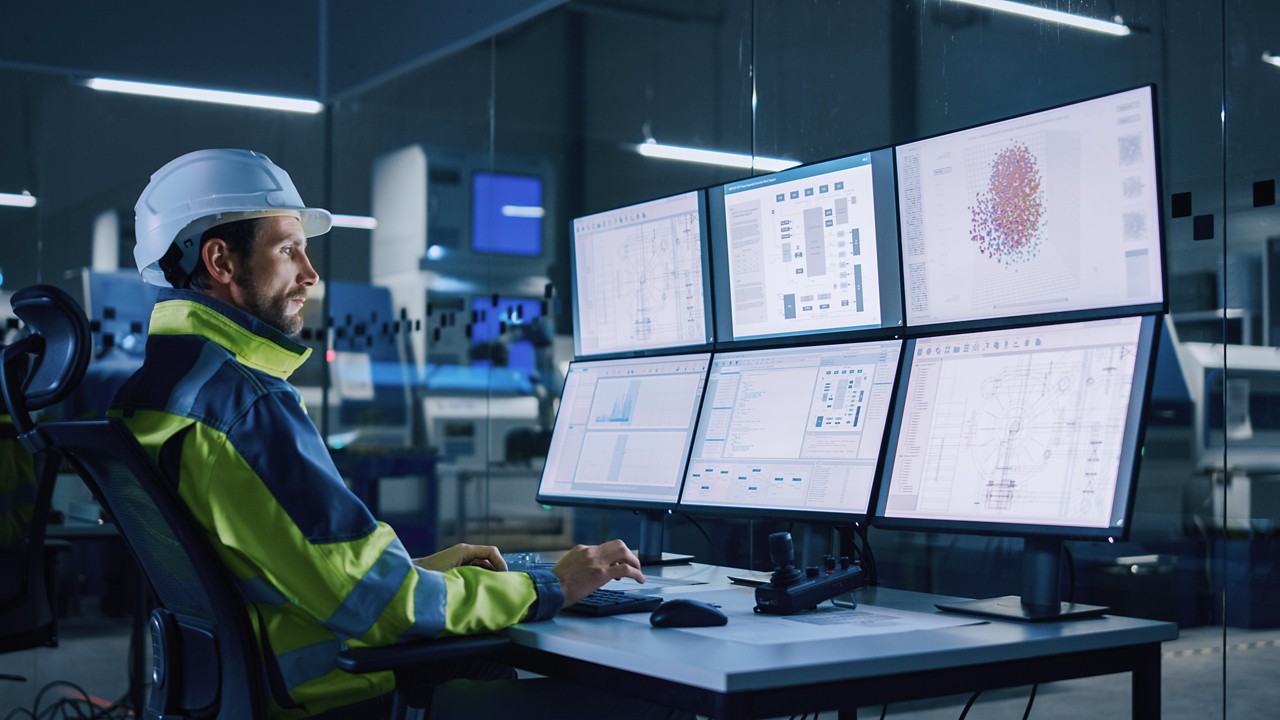
See thermal risk as it develops
Most electrical failures do not begin as obvious events. They start with subtle thermal changes at connection points, conductors, and components under stress. A continuous view of temperature behaviour helps engineers detect those changes earlier and understand how assets are performing under real operating conditions.
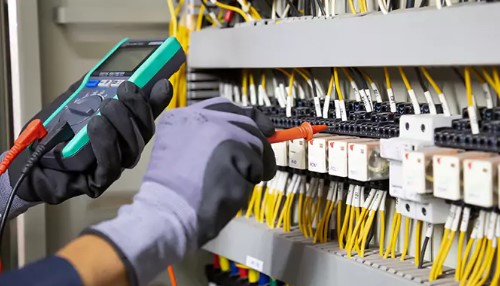
Monitor assets under operating conditions
Electrical systems do not fail only during inspection windows. They fail while energized, under load, and often when demand is highest. Continuous monitoring provides data from the asset while it is operating, giving engineers a more meaningful basis for maintenance, troubleshooting, and system assessment than periodic snapshots alone.

Detect issues before they become failures
A rising temperature trend can indicate a loose connection, overloaded circuit, contact resistance issue, or component degradation long before an outage occurs. Earlier identification allows corrective action to be planned before the issue escalates into a fault, failure, or equipment damage event.
Strengthen equipment reliability and lifespan
Overheating, poor connections, and unresolved electrical stress can shorten equipment life and increase the risk of asset damage. Earlier intervention helps protect switchgear, distribution equipment, and other critical infrastructure, supporting both reliability and long-term asset performance.
Identify faults earlier and respond faster
When abnormal thermal behaviour becomes visible sooner, fault investigation becomes faster and more precise. Engineers spend less time locating the source of the problem and more time resolving it before it affects system reliability or service continuity.
Make maintenance decisions based on actual condition
A continuous stream of thermal data supports better judgement about when intervention is needed. Engineers can assess trends, prioritize work based on increasing risk, and avoid relying solely on fixed inspection intervals that may miss developing issues or over-service healthy assets.
Improve safety around electrical assets
Advance warning of abnormal heat conditions gives engineers better visibility into compromized assets before personnel intervention occurs. This supports safer maintenance planning and helps reduce unnecessary exposure to electrical hazards.
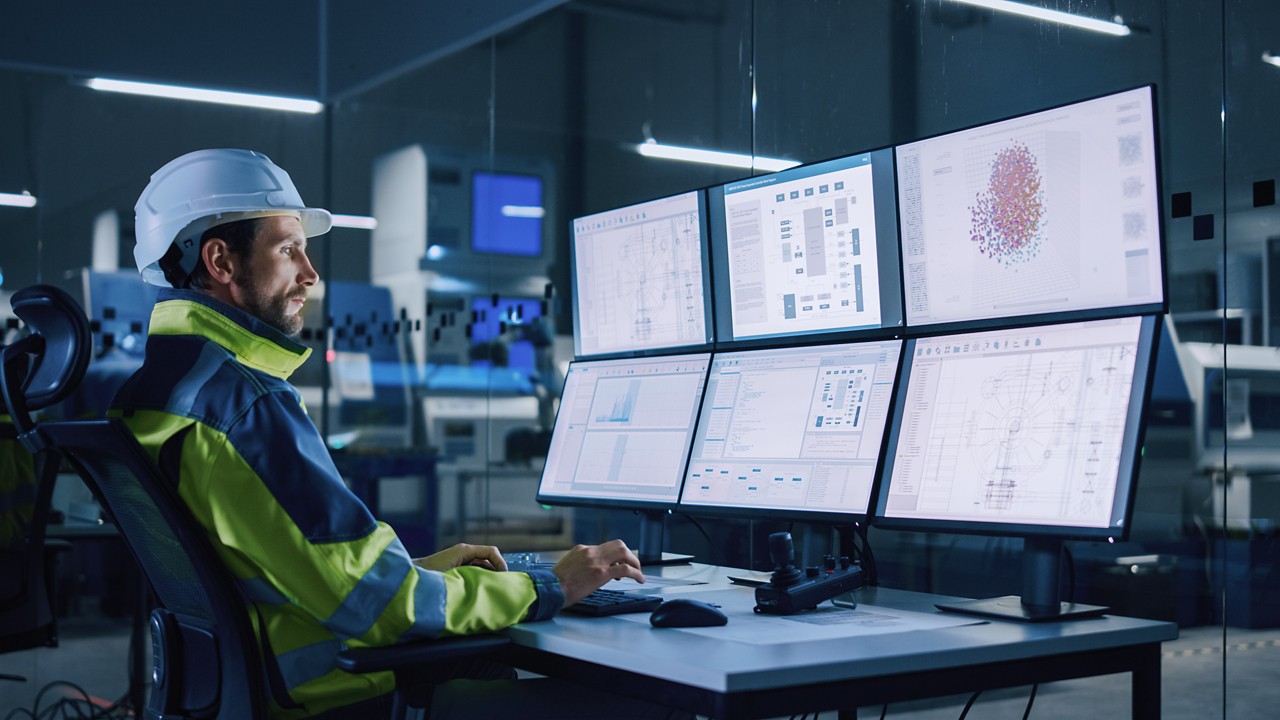
Increase power system availability
Healthy connections are fundamental to stable electrical performance. Earlier warning of abnormal thermal behavior helps maintain power availability and reduces the likelihood of service interruption across critical systems.
Reduce the likelihood of asset damage
Thermal stress that goes undetected can lead to degradation, compromised components, and costly damage. By bringing risk into view early, maintenance team can intervene before an issue causes wider impact to connected assets or infrastructure.

Support predictive maintenance strategies
Periodic inspection still has a role, but it cannot provide continuous protection. Continuous thermal data allows teams to track temperature trends over time, identify recurring deterioration patterns, and move toward condition-based maintenance decisions. This strengthens maintenance efficiency and reduces reliance on reactive response.
Before continuous monitoring |
After continuous monitoring |
| Asset condition is checked periodically rather than continuously | Thermal behavior is visible in real time, including developing change between maintenance intervals |
Conditions between inspections remain largely unseen |
Hidden thermal risk can be identified as it develops, not only when an inspection takes place |
| Engineers rely on inspection snapshots rather than live operating data | Decisions are informed by thermal data captured while systems are energized and under load |
Troubleshooting starts after symptoms appear |
Maintenance can be prioritized around actual condition |
Effort is spread across healthy and at-risk assets |
Risk is easier to manage before disruption occurs |
Safety planning depends more heavily on scheduled inspection routines and visible symptoms |
Safer maintenance planning is supported by early identification of abnormal heat conditions before interaction with the asset |
Explore how continuous thermal monitoring can increase asset reliability and maximize operations uptime.
 发送电子邮件

 MyEatonFAQs


