Thermal design: user acceptance of your product

The entirety of this otherwise great headline turns sour at the end: “Razer’s Blade Pro THX Edition is an epic mobile production powerhouse with noisy fans”
This was such an amazing review by an impressed user undermined by the product’s cooling solution. If you go further into the article, the reviewer relates his personal experience with the laptop:
“This laptop has such loud and bombastic fans that I could even hear them over the gameplay on my headphones, set to 50 percent volume. People sitting in my vicinity thought an air conditioner had turned on.”
“Furthermore, despite the copper thermal heatsink and jet turbines for fans, the palm rest gets uncomfortably hot.”
So it gets both hot and noisy. That certainly can take you out of the zone when you’re on your laptop.
User experience is just as important to the success of your product as it being technically functional. This laptop is a powerful piece of hardware in a relatively small and mobile package, which makes any sort of cooling solution difficult. Razer’s engineering team did their due diligence and were thinking about their thermal design when it came to providing cooling for the laptop’s hardware. It has a copper heat sink, most likely a zipper fin or skived fin solution since it fits in a laptop and incorporated fans to cool the high power CPU and GPU. Electrically and mechanically, the product is sound. However, the user was uncomfortable.
Think about how much you ask your friends and coworkers their thoughts on any sort of product and service. Think of all the reviews that you check before making a decision of what to buy, where to go or what to eat. Other consumers are who we turn to first and trust the most when it comes to recommending new services or products.
Users, especially ones of consumer products, can be your biggest advertisers. They are the one’s that are going to promote your product with the most zeal. Nielson’s surveys over the years have shown that word of mouth recommendations are the ones most trusted by potential consumers, like Nielson’s survey in 2015 and another survey in 2012. While it is intuitive to keep your customers happy, the impact of customer satisfaction on brand recognition and revenue is huge.
It’s easy enough to say how important the user experience is, but it’s even easier to get caught up in the design project for a new product and lose sight of this end goal of a great user experience.
Projects may get passed from department to department, where pieces of the initial product vision get lost along the way.
Budget constraints might cut a project short or require the design team to skip over something and potentially in this case, keeping costs of the heat sink and fans down.
Real estate in a laptop is minimal to begin with. Add that with the consumers’ demand for much smaller products and the Razer Blade Pro design team has their self a challenge.


The design team may have also had overbearing deadlines (or managers) that kept design engineers from giving user experience enough attention.
But it’s critical to the success of your product to consider thermal design in more ways than just how the product functions.
One of the key points of natural convection is enabling heat transfer without the extra cost and assembly time associated with adding a fan into the product. Fans or blowers can decrease the overall reliability of the device as they are driven by motors that wear down and can break over extended use of the product.
The ideal situation for this design team would have taken a holistic approach to their product. The whole point of all the features they packed into their laptop was to provide an exceptional user experience. As we push the thermal limits of what our chips can do, we need to consider more than what the user sees on their screens, hears from their speakers and the tactile feedback from the keyboard. Ears will also pick up the noise of fans and fingers and palms will experience any excessive heat from the product. Noise and touch temperature of your cooling solution needs to be considered earlier in the design process.
If the Razer design team had defined their maximum temperature rise by what their user could handle and not what the hardware could handle, they could have built around that requirement. The design team could have set aside the appropriate amount of room for a thermal solution that meets both their hardware and user needs. These engineers may have requested more heat sink volume to increase the amount of surface area of the heat sinks. This would provide more surface area to transfer heat into the air. It’s easier to submit for laptop real estate when everything is still conceptual.

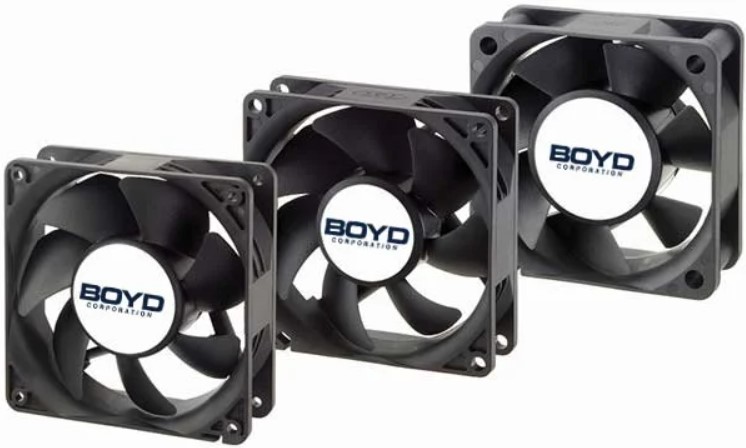
Engineers designing the thermal solution could have designed in larger fans or blowers. Larger fans can move more air at the same rotational speed as a smaller fan. Or you can move the same amount of air at a lower rotational speed. This decrease in speed would also reduce the noise coming from the fans. While it seems like an either more cooling or more noise situation, a big enough fan may be able to address both negative aspects of this user experience.
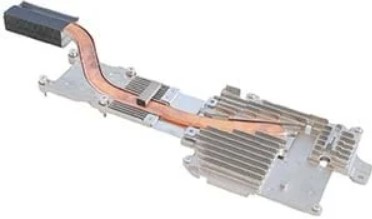
In the initial design, the engineers responsible for the chips and thermal management may have been able to ask for a different area of the laptop. There could have been the possibility to move where the heat was generated, the CPU and GPU locations, to someplace that wouldn’t affect the user as much. If the chips were stuck in that location in the laptop, maybe the thermal management team could have used a transport heat pipe assembly to route the heat away from the chips and palm rests and to somewhere less consequential to the user, but still thermally effective.
If the Razer Blade Pro THX Edition design team developed their thermal design for both their product’s function and their users, that review would have been nothing but positive.
This review is a perfect example of why your thermal design is important, not just for the device, but for the user. It’s not enough for all your parts to fit together and your devices to be cooled. You need to make sure that the overall user experience is a good one. So in the next design cycle you have, take the extra time for polishing your thermal design for your user and how they will interact with your product. If there’s pressure to skip that step, push back and show them this review.
What challenges come between you and really spending the time to design your user experience? Contact us or tell us on our social media pages!
 发送电子邮件

 MyEatonFAQs


