Heat pipes versus vapor chambers: what’s the difference?
Both heat pipes and vapor chambers utilize the same two phase cooling process. A liquid evaporates at the heat source and becomes a vapor. This vapor travels through the cavity of either the heat pipe or vapor chamber to a cooler place within the pipe or chamber and condenses. By capillary action, the condensed liquid travels back to the hot spot through the wick.
A heat pipe is close to what it sounds like. It’s a pipe used to conduct heat. But the pipe contains a wick and has been sealed to retain all the fluid installed into the pipe. While heat pipes can be made from a wide range of materials, copper and water are the favorites for metal and working fluid. Copper already has a high conductivity, commercially available and is easy to manipulate during the manufacturing process. The working temperature range between freezing and evaporation for water covers most applications, so the majority of heat pipes use water within them.
Vapor chambers are similar to a heat pipe since it houses vapor within a planar chamber to spread heat across a surface. Vapor chambers also have a wick to transfer fluid back to heat sources. Instead of a pipe to house this vapor space and wick structure, vapor chambers typically use two plates sealed together to keep the fluid in.
In comparing heat pipes versus vapor chambers, the biggest difference is the direction of heat spreading. Heat pipes have a high effective thermal conductivity focused along the axis whereas vapor chambers have a two dimensional, planar heat transfer direction.
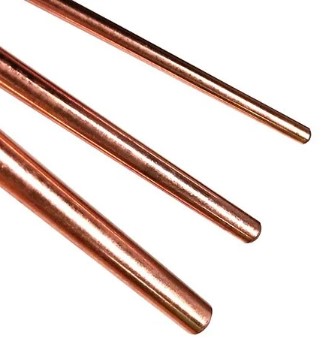
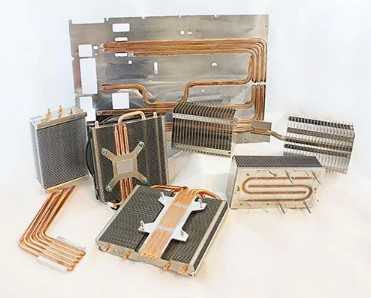
On the other hand, heat pipes generally have less unsupported space than vapor chambers do. This enables heat pipes to handle extreme mechanical stresses better. We can also bend heat pipes for additional control when routing heat. We can translate our high heat transfer rate from one dimension to something a little closer to a full two dimensions by bending heat pipes into more optimized shapes that better suit specific applications.
Eaton design engineers are well-versed in how to use heat pipes and vapor chambers in a wide variety of applications and configurations. If you have some questions on how else we can use two-phase cooling for your project, please contact our team today.
 发送电子邮件

 MyEatonFAQs


